
Wood Painters in Haywards Heath
Haywards Heath Decorators are wood painters covering properties across Haywards Heath and the surrounding Mid Sussex commuter villages, including Lindfield, Cuckfield, Burgess Hill, Hurstpierpoint, East Grinstead, Ardingly, Balcombe, and Scaynes Hill.
- Interior hardwood painting, staining, and varnishing
- External timber cladding, fascias, and soffits
- Timber joinery and panelling — bespoke woodwork handled
- Stripping and restoration — aged or failing timber finishes
- Hardwood, softwood, and engineered timber — all types treated
Why Choose Haywards Heath Decorators
Wood Finish Experts
Oils, stains, and paints matched to timber species and exposure.
Clear Pricing
Fixed price from the first quote with no unexpected additions.
Fully Insured
Full public liability cover on every job.
Highly Recommended
The decorators we work with earn most of their jobs from repeat clients and referrals.
Wood Painting Services in Haywards Heath
Interior Hardwood
Interior hardwood includes flooring, staircases, panelling, beams, and bespoke joinery. Period properties in Cuckfield and Lindfield often retain original timber panelled rooms, library shelving, and hardwood window surrounds. These surfaces require a different approach from standard softwood painting.
Hardwood is denser than softwood and absorbs finishes more slowly. It requires either a hardwood-specific primer or a penetrating oil before any paint or varnish coat is applied. Applying standard primer directly to oak, teak, or other oily hardwoods results in poor adhesion and early failure. Your decorator assesses the timber species, existing finish condition, and the client’s intended outcome before specifying a product.
Exterior Timber
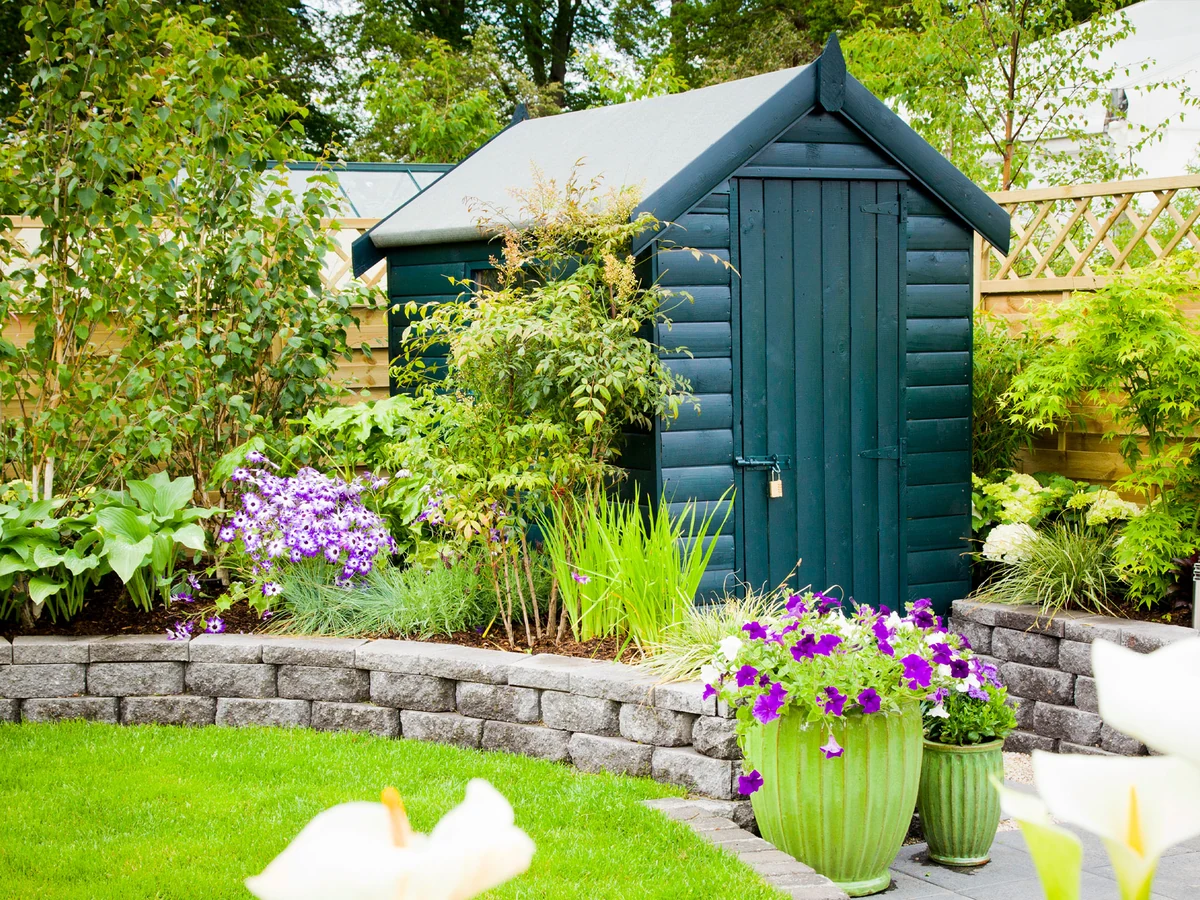
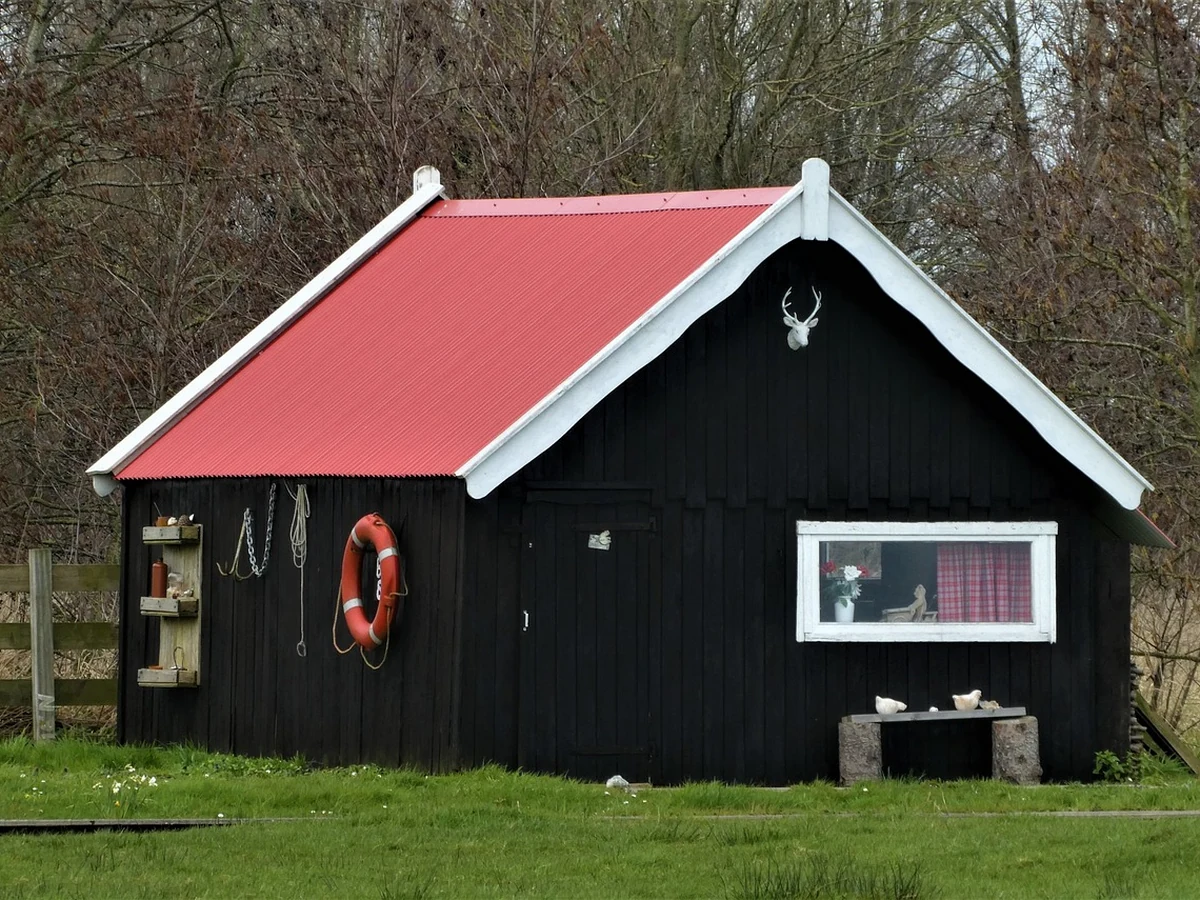
Exterior timber on Mid Sussex properties includes fascias, soffits, timber cladding, gate posts, and the structural elements of outbuildings. Exterior timber is under sustained attack from UV light, rain, and temperature change.
Softwood fascias on 1930s-1950s properties in central Haywards Heath typically need sanding back to sound material, treating exposed end grain, priming with an exterior timber primer, and finishing with a minimum of two coats of exterior gloss or satin. For timber surfaces on outbuildings and garden structures, our approach connects to the same preparation principles as fence painting.
Staining and Varnishing
Staining allows the timber grain to remain visible while adding colour and protection. Varnishing creates a surface film that protects without altering the colour. Both are appropriate for interior use on furniture, floors, and joinery.
On exterior timber, your decorator uses exterior-grade stains and oils rather than interior varnishes, which are not formulated for UV exposure and will break down quickly on external surfaces. Colour staining on interior joinery is popular across period properties in Lindfield and Cuckfield where clients want to enhance the natural character of the timber without painting over it.
Stripping and Restoration
Aged timber with multiple layers of old paint or varnish sometimes needs stripping back to bare wood before a new finish is applied. This is common on period joinery that has been painted repeatedly over decades, particularly in conserved properties in Cuckfield and Muster Green.
Stripping is done by hand sanding, heat application, or chemical stripper depending on the profile of the surface and the material involved. Turned profiles and moulded sections require hand work rather than machine sanding to avoid losing detail. After stripping, bare timber is assessed for any surface damage, decay, or open grain before priming.
Bespoke Joinery
Bespoke joinery including made-to-measure shelving, alcove units, window seats, and fitted furniture needs the same preparation discipline as any other timber surface. New joinery often has mill marks, planer lines, and open end grain that must be prepared before painting.
Your decorator sands new joinery to a consistent key, fills any open grain or surface defects, and primes before finish coats. On MDF-based bespoke furniture, your decorator seals the edges before priming to prevent absorption and edge lifting. For bespoke joinery that connects to an interior painting project in the same room, we coordinate the scope and timing to avoid rework on adjacent surfaces.
Our Wood Painting Process
1. Assessment
We identify the timber species, existing finish condition, and the environment the timber is in. Interior joinery in a dry room requires a different system from exterior cladding in a south-facing garden.
2. Preparation
Failing paint or varnish is stripped or sanded back to a sound surface. Bare timber is assessed for decay, open grain, and any structural damage. End grain is treated. Surfaces are cleaned and dried.
3. Priming
The correct primer for the timber type and environment is applied. Hardwood receives a hardwood-specific primer or oil. Softwood receives an exterior or interior timber primer as appropriate. MDF receives a sealer primer at edges before full priming.
4. Finish Coats
Paint, stain, or varnish is applied in the agreed number of coats with adequate drying time between each. Sanding between coats on painted finishes removes dust nibs and gives a smooth final surface.
5. Final Inspection
All surfaces are checked in good light. Any coverage gaps, runs, or missed areas are touched up. On exterior timber, your decorator confirms sashes and doors move freely before leaving.
Wood Painting Costs in Haywards Heath
Prices below are estimates only. Every project is different.
Timber Type and Condition
Hardwood in Cuckfield period properties requires more preparation time than softwood joinery in modern Burgess Hill semis. Aged timber with accumulated paint layers adds significantly to the preparation cost — stripping costs more than overcoating.
Surface Area and Complexity
Flat surfaces like fence panels and cladding cost less per square metre than moulded profiles, turned spindles, and panelled rooms. Detail work is hand-applied and takes longer. A single door costs less than a full panelled room.
Finish System
A penetrating oil on exterior timber costs less than a full paint system with stripping, priming, and two coats. We recommend the right system for the job — not the cheapest option. Typical ranges: timber panelled study in Cuckfield £900-1,400, external fascias and soffits £600-1,000, interior bespoke joinery £400-800.
Trade Insight
Cuckfield period properties often have internal timber panelling, exposed beam sections, and hardwood window surrounds. Each timber element may require a different primer and topcoat system. Your decorator assesses each surface individually and does not apply a single product across all timber in the property.
For exterior timber alongside masonry painting on the same property, see our exterior painting page.